The short version
- If a step feels uncertain, stop and use a qualified bicycle mechanic.
- Never ride with brakes, steering or wheels that you suspect are unsafe.
- Use the component manufacturer's instructions for torque settings and model-specific procedures.
Adjust one variable at a time
Mark the starting height or angle with removable tape, make a small change and test it on a familiar route. Large simultaneous changes make it hard to identify what helped and can create new discomfort.
- Saddle height
- Saddle fore-aft position
- Brake lever reach where supported
- Tyre pressure within the marked range
- Bag and light position
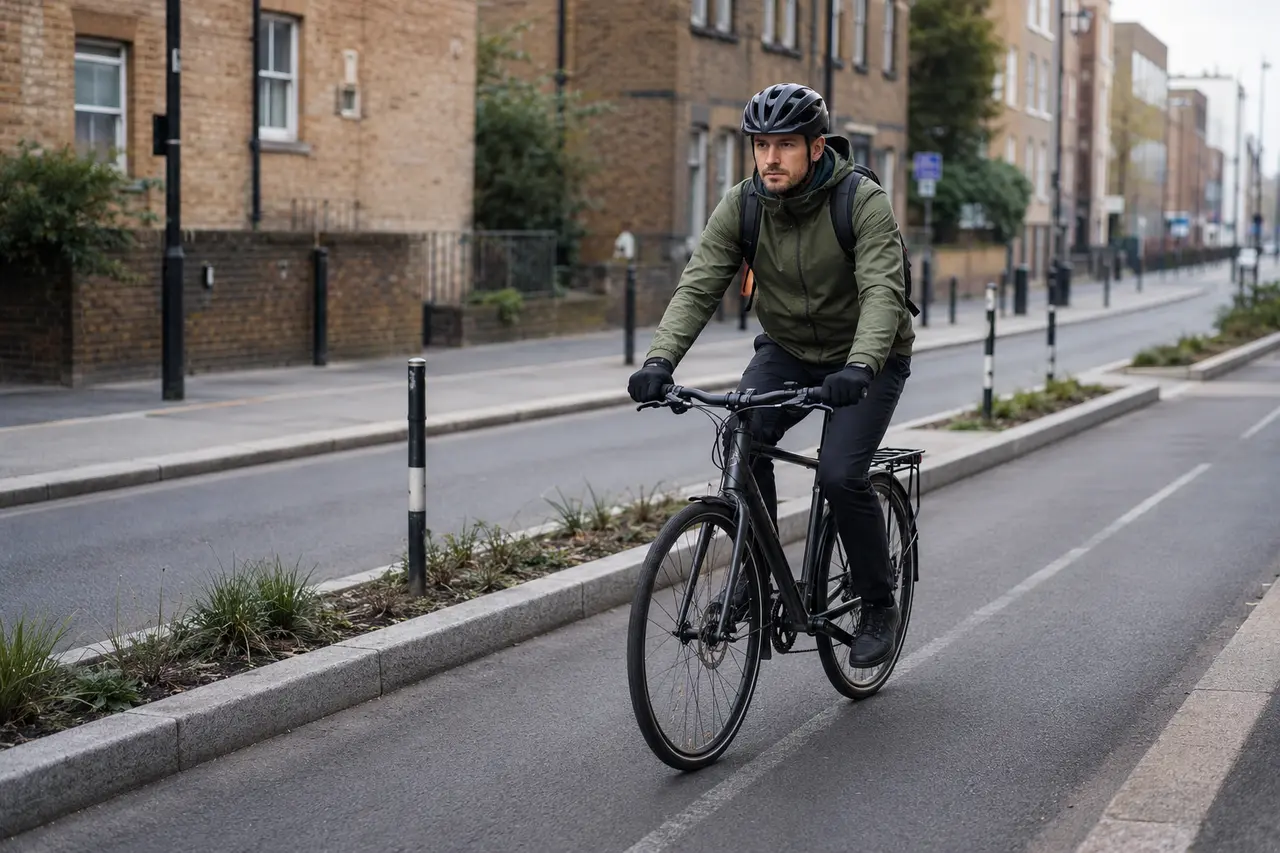
Do not improvise with safety-critical parts
Use a torque wrench where the maker specifies a torque, especially on carbon components. Never raise a seatpost or stem beyond its minimum insertion mark. If anything moves after tightening, stop riding.
Persistent pain is information
A little adaptation is normal for a new rider, but sharp, increasing or one-sided pain is not something to push through. Recheck fit and seek qualified medical or bike-fitting advice where appropriate.
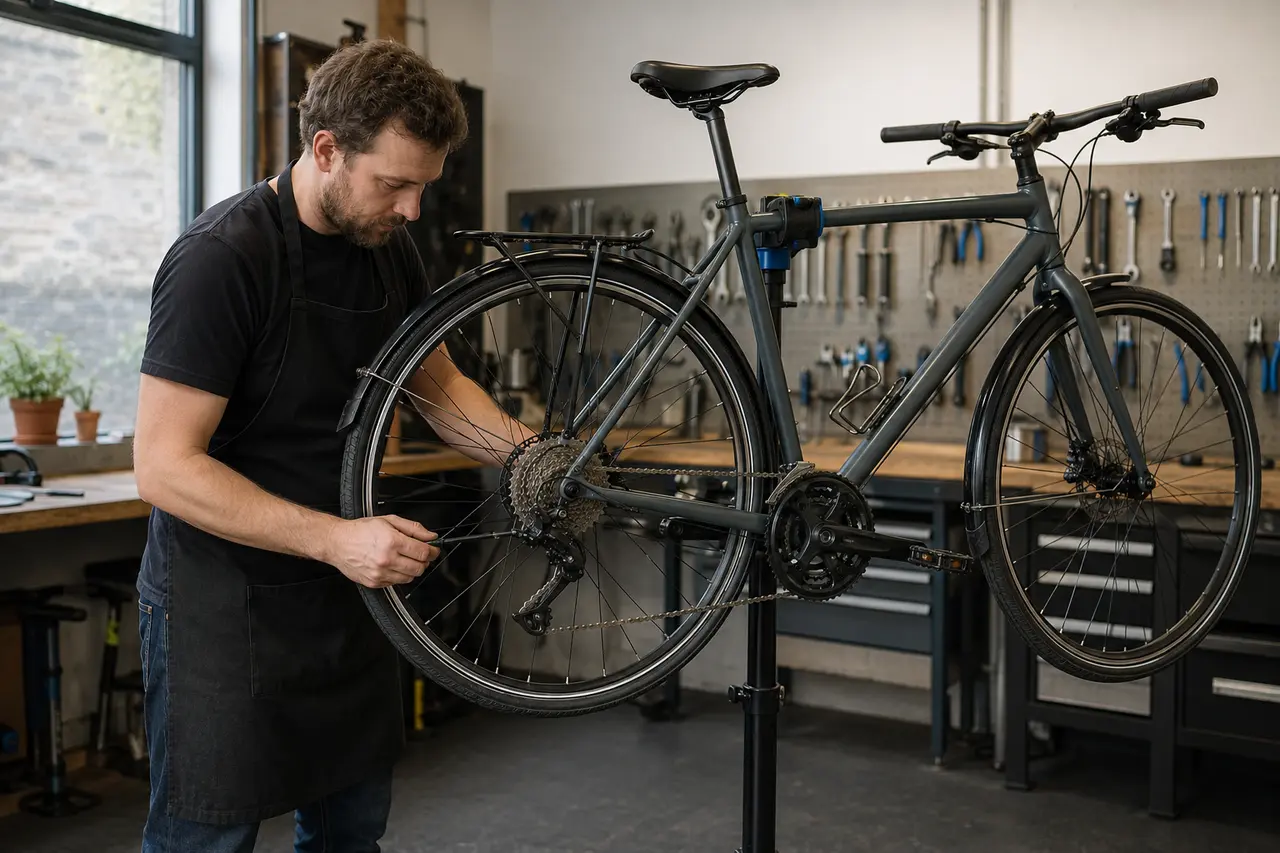
Work methodically and stop when uncertain
Clean the area first, work in good light and use a tool that fits the fastener correctly. Photograph the starting position before removing several parts and keep washers, spacers and small fittings in order. Use the component manufacturer's document for torque values and model-specific procedures rather than guessing.
Never continue riding when steering, brakes, wheel retention or a structural component may be unsafe. Cracks, serious corrosion, repeated slipping or a repair that needs specialist tools are reasons to use a qualified bicycle mechanic.
Test before returning to traffic
Check the work while the bicycle is stationary, then make a short low-speed test ride away from traffic. Operate both brakes, shift through the useful gear range and listen for movement or rubbing. Recheck anything that was loosened after the first ride.
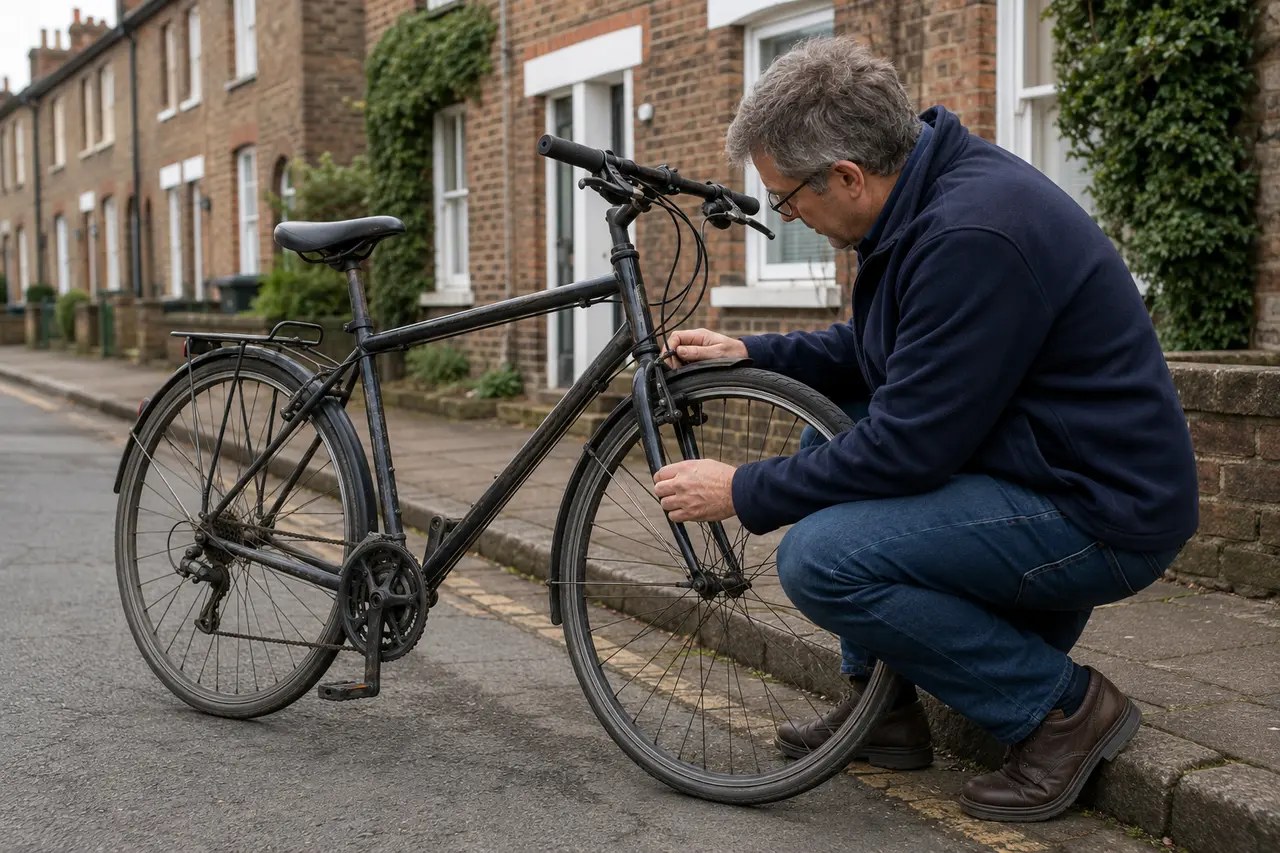
Routine checks prevent a small adjustment becoming a roadside failure. Tyre pressure and condition, brake operation, wheel security, lights and rack or mudguard fasteners deserve frequent attention on a bicycle used for commuting.
Check the current guidance
Rules, schemes and product ranges can change. These live links are the authoritative or independent starting points used for this guide.