The short version
- Check away-from-home cover
- Use the required lock rating
- Keep receipts and frame number
- Understand exclusions for racing, travel and unattended bikes
Compare the cover, not only the premium
- Single-item value limit
- Theft from home, work and public places
- Accidental damage
- Accessories and clothing
- Public liability and legal assistance
- European or worldwide travel
- New-for-old or depreciation basis
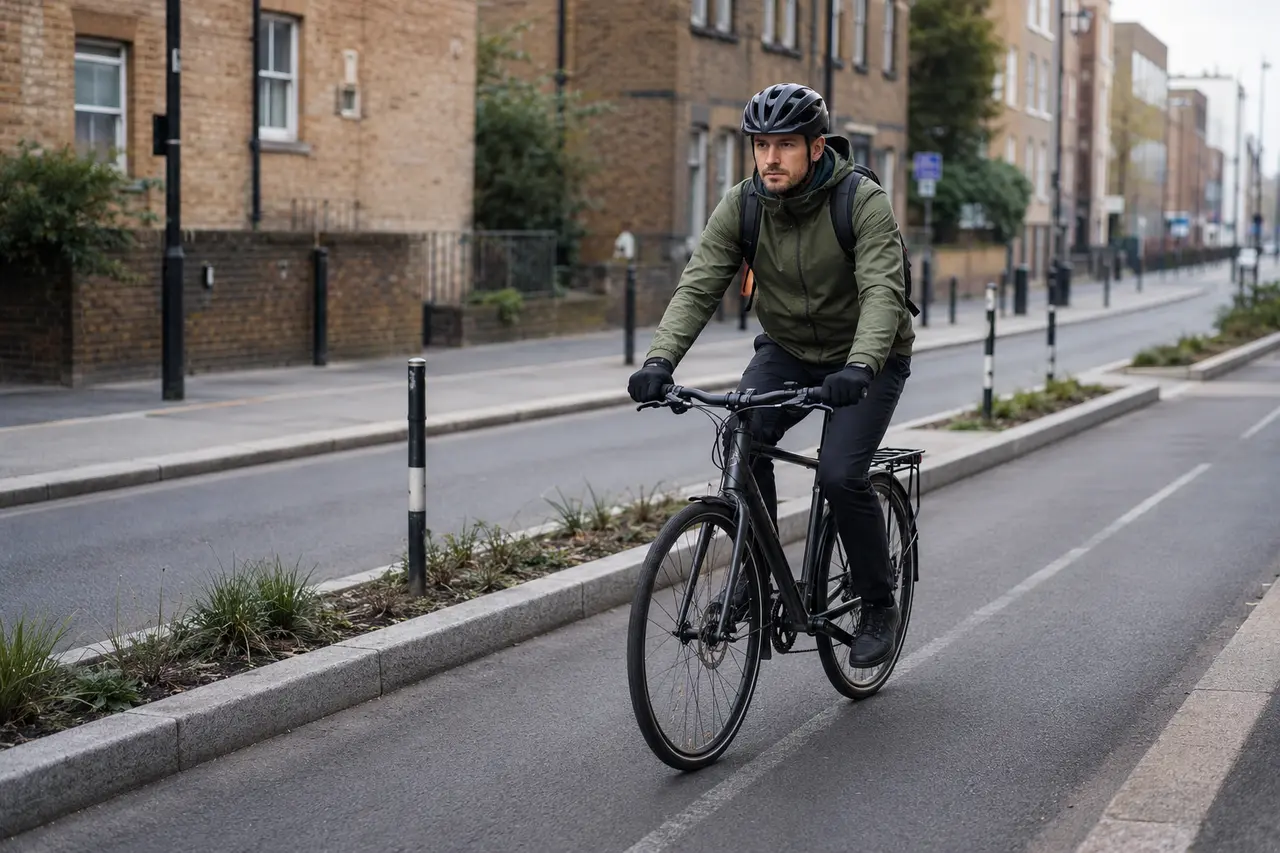
Meet the security conditions
Policies commonly specify an approved lock, the object the bike must be secured to and time limits for leaving it unattended. A claim can fail if the required security was not used, even when the bike was genuinely stolen.
Create an ownership record
Photograph the bicycle, frame number and distinguishing marks. Keep purchase and upgrade receipts somewhere separate from the bike. Registering the frame number can also help identify a recovered bicycle.
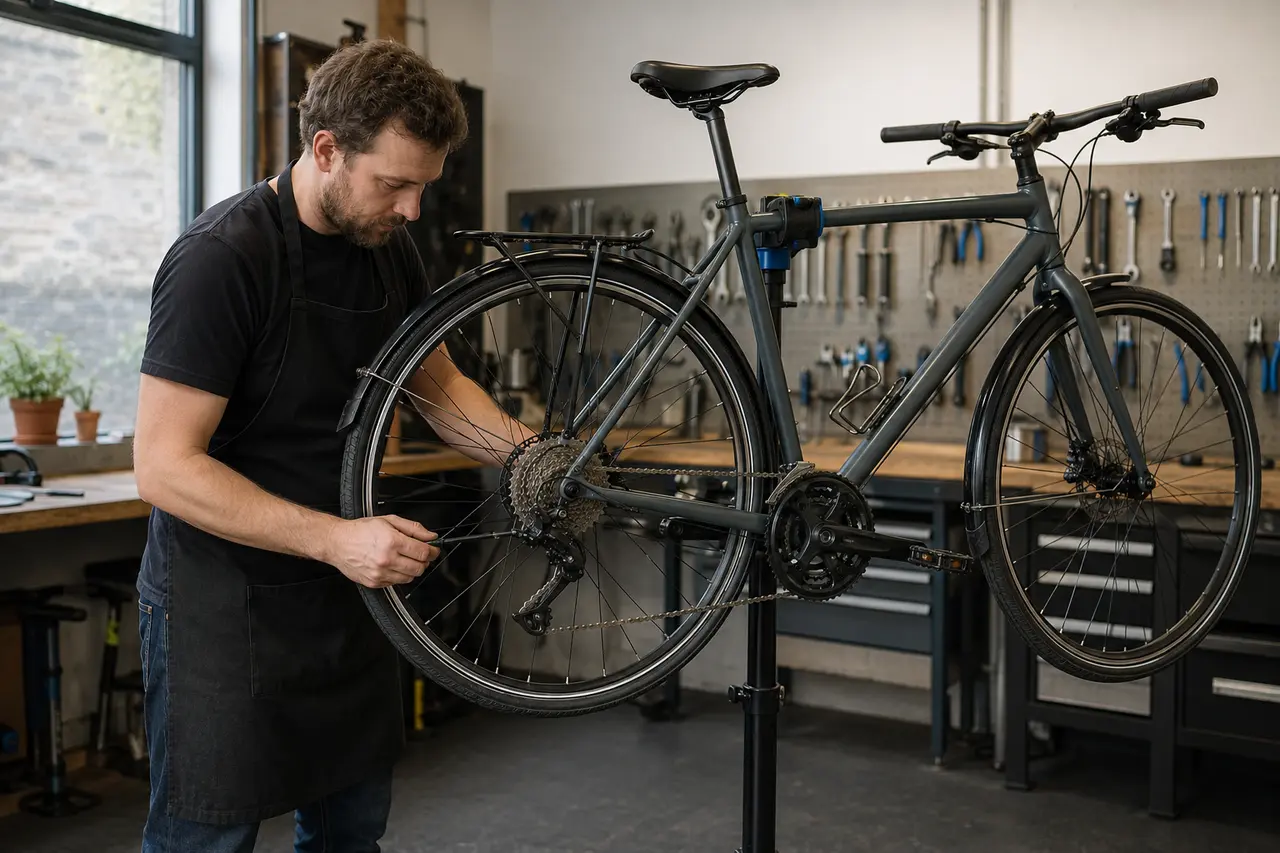
Use several layers of risk reduction
Roadworthy brakes, secure wheels, observation, a suitable route and predictable positioning work together. Clothing, reflective details and a helmet may be part of a rider's personal strategy, but none replaces a mechanically sound bicycle or attention to the road environment.
Check the current Highway Code and lighting requirements rather than relying on an old summary. Conditions change by time of day, traffic level and weather, so a route that feels comfortable in daylight may need a different alternative after dark.
Prepare for foreseeable problems
Tell someone the route for an unfamiliar or longer ride, keep a charged phone and carry tools only when they fit the bicycle and you know how to use them. Slow down for poor visibility, wet surfaces, pedestrians, horses and junctions where another road user may not have seen you.
After a near miss or equipment problem, review what happened without assuming a single cause. A route change, earlier signal, different road position, service or additional light may each address a different part of the risk.
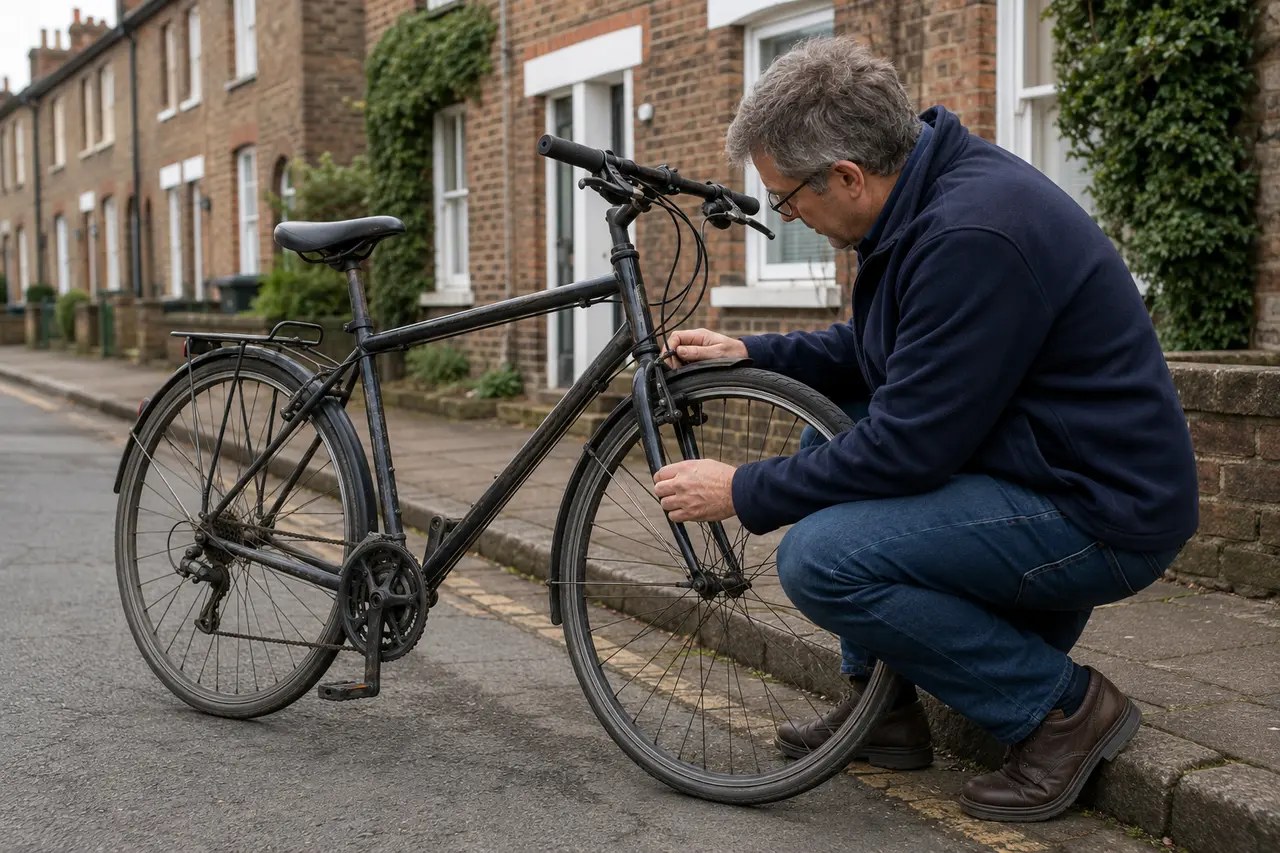
Check the current guidance
Rules, schemes and product ranges can change. These live links are the authoritative or independent starting points used for this guide.